



Obsolescence Management
Preserve Proven Systems.
The Future
When spare parts, light sources or complete assemblies are no longer available, the entire installation does not necessarily need to be replaced. We assess retrofit, reproduction and custom development—technically, economically and always for the specific application.
Typical Challenges
When one component threatens continued operation
Often, the complete installation is not obsolete. Frequently, only a lamp, socket, diffuser, circuit board or another component is missing.
Our Approach
Analysis before replacement
We do not begin by asking which new product can be sold. We first determine which function must be preserved and which solution is technically and economically appropriate.
Assess the existing situation
Review photos, dimensions, rating plates, drawings and technical requirements.
Select the solution path
Assess standard products, project-specific adaptation, retrofit or reproduction options.
Define the technical solution
Define installation dimensions, colour temperature, light output, materials, mounting and approvals.
Preserve existing systems
Minimise conversion time, material consumption and additional testing effort wherever possible.
Practical Solution
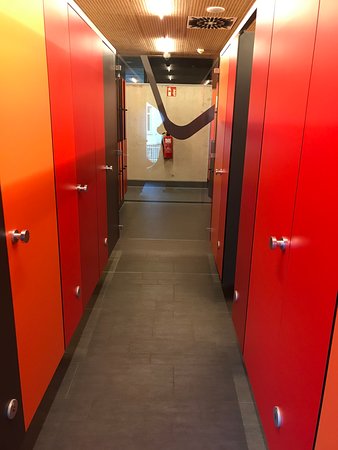
Lighting Modernisation at Emser Therme
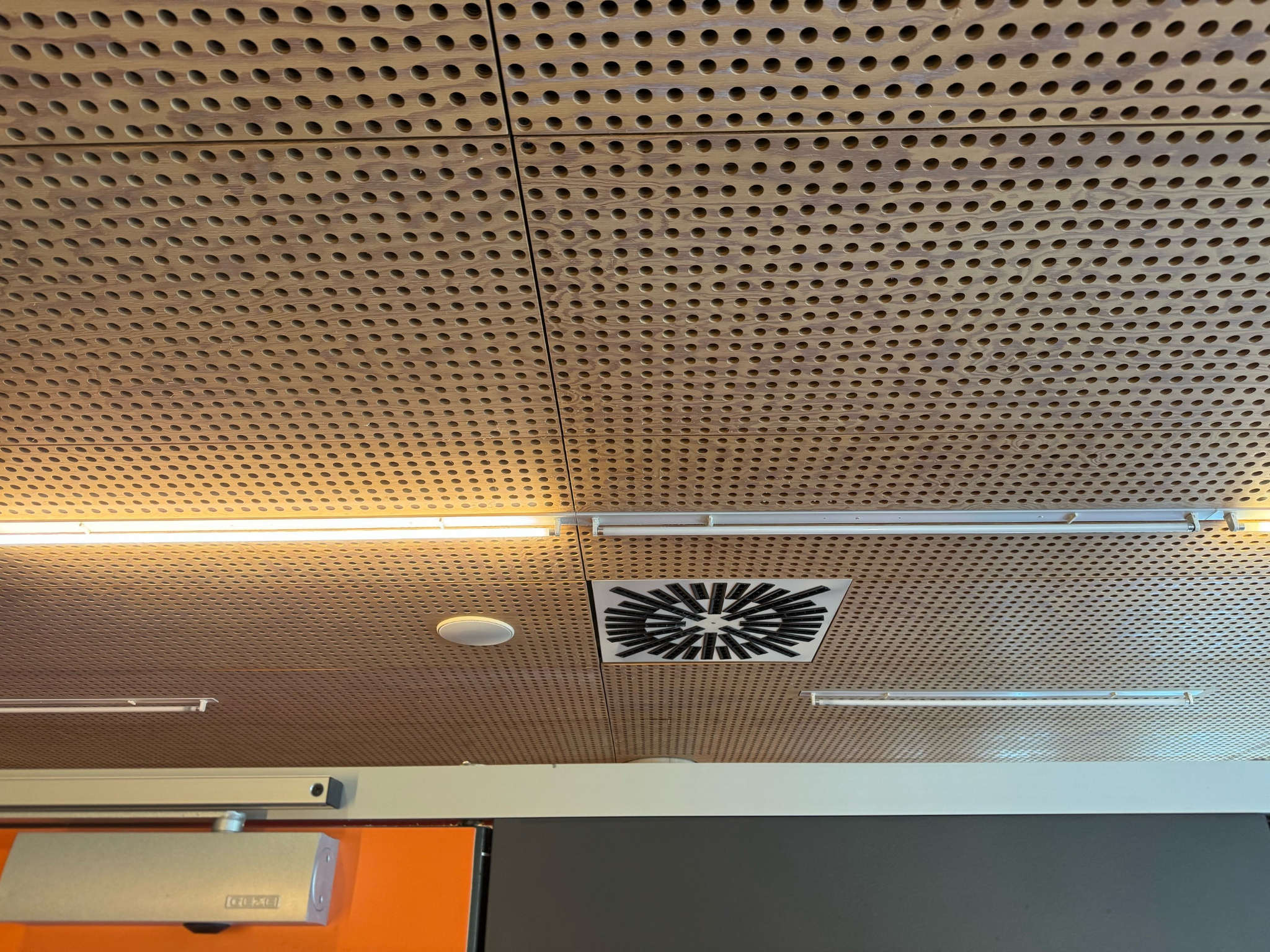
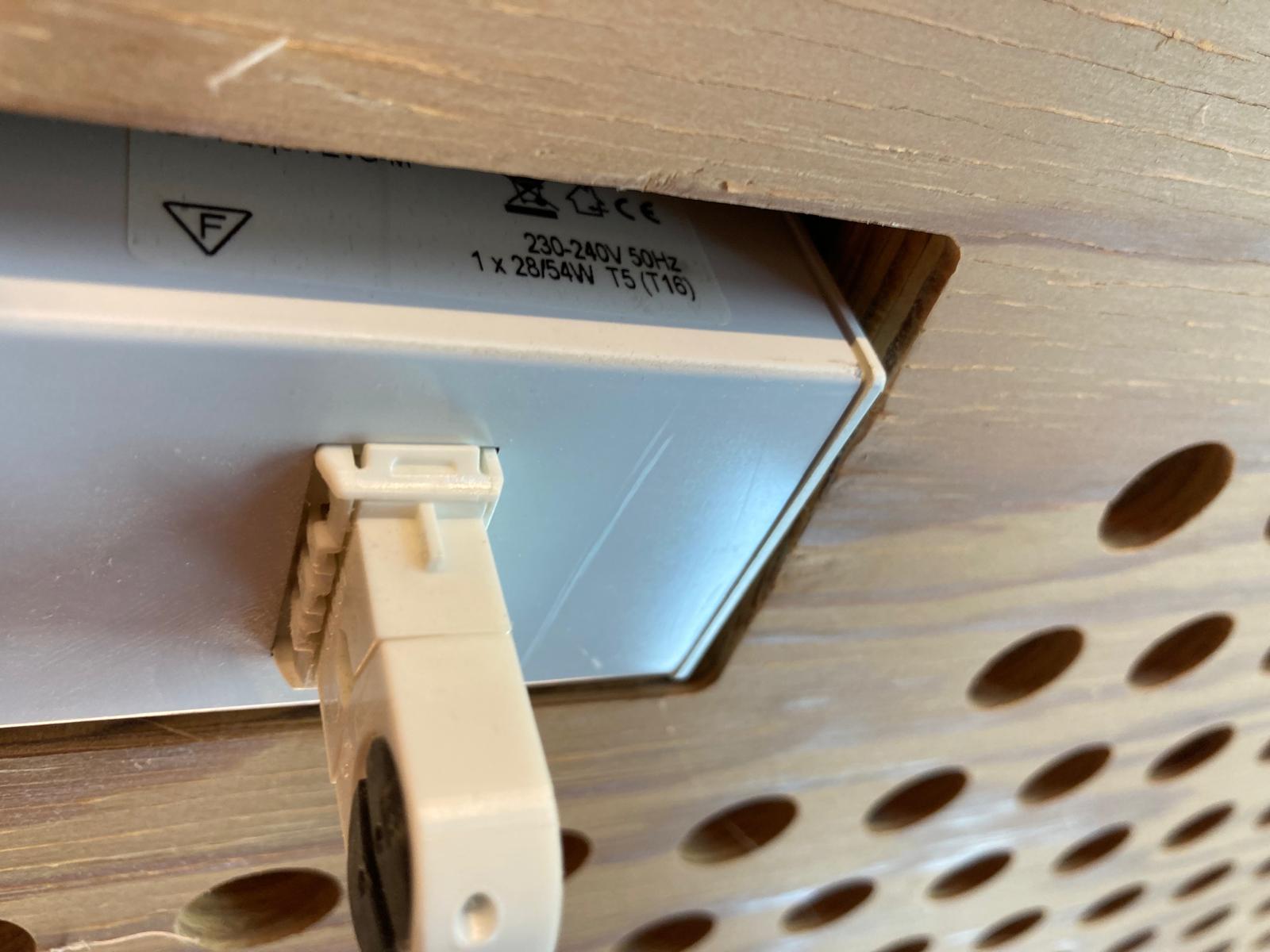
The operator of the Emser Therme commissioned its in-house electrician to find an economical solution for modernising the existing lighting. The recessed luminaires were fitted with T5 fluorescent tubes. The high-quality wooden ceilings and existing ceiling cut-outs were to remain unchanged.
The Challenge
Exact installation depth and minimal visible gaps
- Continue using the existing ceiling cut-outs unchanged
- Virtually no visible gaps
- Adjust installation depth with millimeter precision
- Select the appropriate colour temperature and illuminance
The Solution
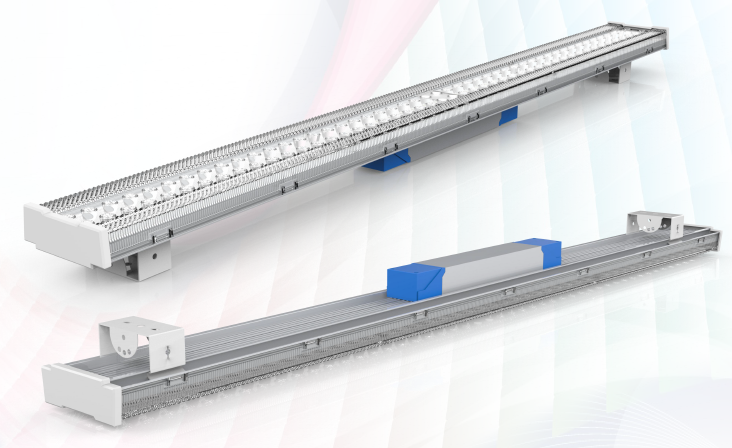
Standard luminaire with customised mounting
The LED luminaire is secured to the existing metal bracket using magnets and adjustable threaded rods. This allowed the installation depth to be set precisely without altering the ceiling structure.
Further Practical Examples
Reproduction and retrofit in different applications
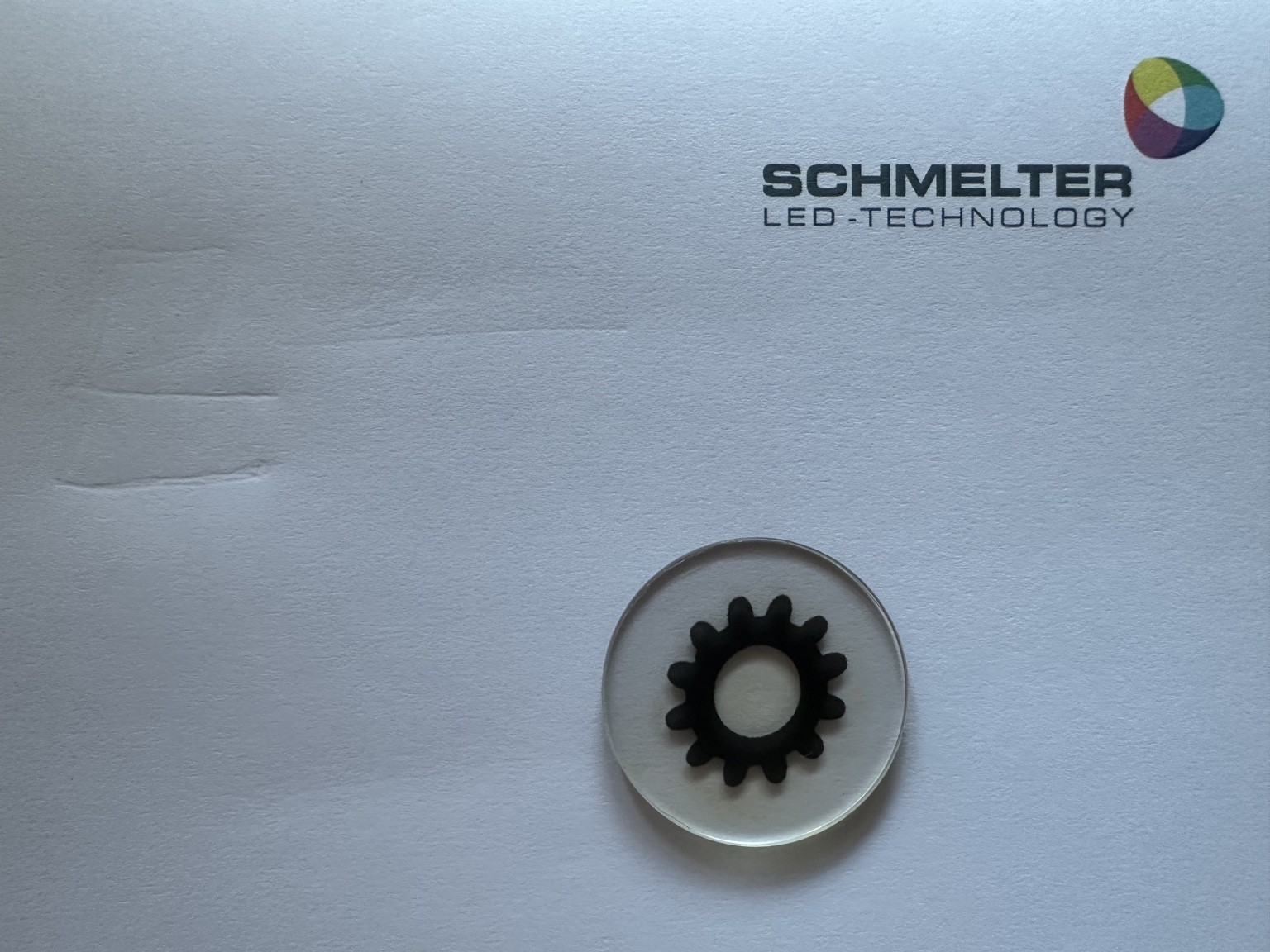
Special glass panel for machine controls
A no-longer-available reverse-printed glass panel was reproduced to the exact dimensions. The existing control system could be retained.
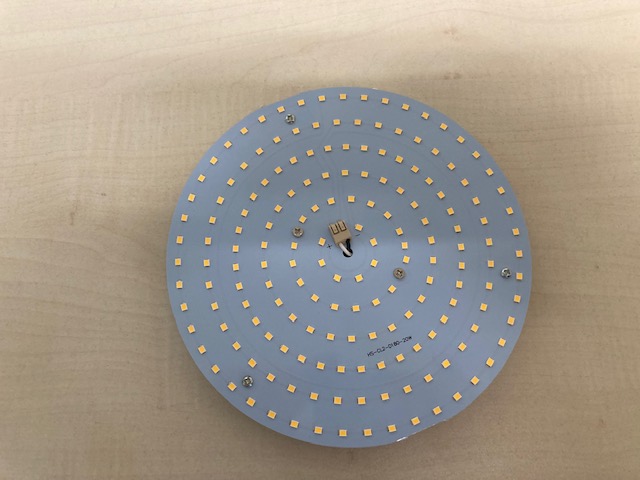
Magnetic LED circuit board
The LED PCB replaces the original lamp holder and is mounted magnetically inside the existing luminaire. The luminaire design remains unchanged.
Diffusers for front headlights
Replacing a defective diffuser that is no longer available can also be more economical than replacing the complete headlamp. Technical requirements and existing intellectual-property rights are reviewed before reproduction.
Lighting in rolling stock
Suitable retrofit products can keep existing luminaires operational, reducing conversion time, material use and, depending on the project, additional approval effort.
View Railway Lighting →We cannot reproduce everything—but considerably more than many operators expect. A technical, economic and legal assessment of each individual case is always required.
Frequently Asked Questions
Obsolescence management explained clearly
What Does Obsolescence Mean in Machine and Plant Engineering?
Obsolescence means that products, components or spare parts are no longer manufactured or available. Long-life machinery, vehicles and technical installations are frequently affected. Often, however, the complete system is not obsolete—only a single component.
In Summary: Obsolescence does not automatically mean the end of an installation. It means finding a suitable solution to preserve its function over the long term.
When Is Reproduction More Appropriate Than New Development?
Where only individual components are unavailable, targeted reproduction can be more economical and sustainable than replacing a complete installation. Examples include special glass panels, control panels, diffusers, luminaires, mechanical components and electronic assemblies.
If reproduced parts correspond to the original in size, design and technical configuration, costly new approvals may be avoided depending on the project. It must first be established whether the original manufacturer still holds applicable intellectual-property rights.
Why Is Retrofit More Sustainable Than Complete Replacement?
With a retrofit, existing housings, trunking rails, mountings, wiring, reflectors and luminaire bodies are retained wherever technically appropriate. Only the obsolete technology is replaced, reducing material consumption, waste and installation effort.
What Are the Benefits of Reusing Existing Luminaires?
Existing mountings, wiring, light distribution and installation conditions can continue to be used. This reduces investment costs and installation time. Depending on the project, existing documentation and approvals may also be taken into account.
Our objective is not to replace functioning installations, but to keep proven systems operating economically and reliably with minimal intervention.
Your Obsolescence Case
Request a non-binding project assessment
Send us photos, dimensions, rating plates or available drawings. We will assess which solution is technically and economically appropriate.